Why Cornwall? Holiday, Buy a Property, Move and Work in Cornwall
Discover why Cornwall is a wonderful place to holiday, buy property, live and work. Explore beaches, towns, lifestyle, property, jobs and what makes Cornwall so special.
By West Country Escapes
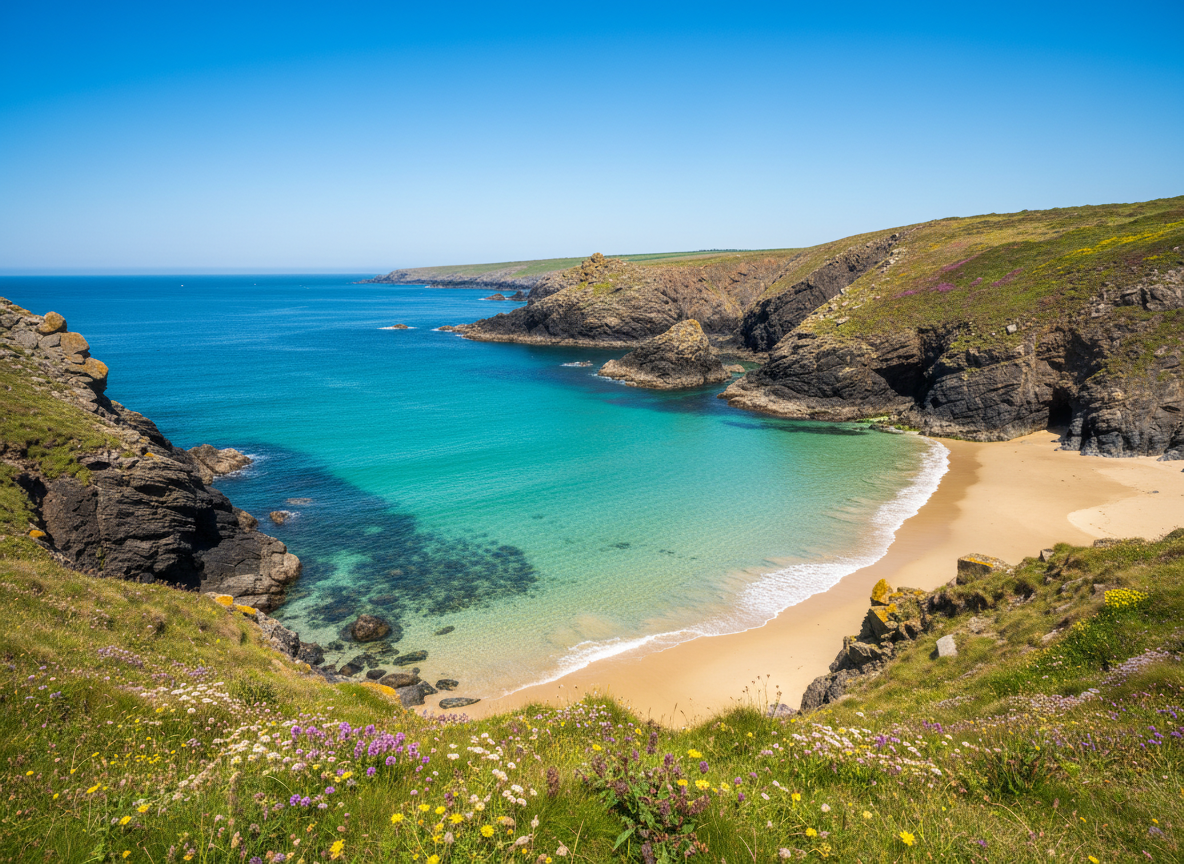
There are places you visit once and enjoy.
Then there are places that somehow stay with you.
Cornwall is very often one of them.
Perhaps it's the coastline. The beaches. The fishing villages and harbour towns. The wild moorland and countryside. The food, art and independent businesses. Or simply the feeling that life operates to a slightly different rhythm here.
Cornwall has long been one of the UK's best-loved holiday destinations, but for many visitors the relationship with the county doesn't end when the holiday does.
You come back.
You discover another part of the coast.
You find a favourite village.
And sooner or later you might start wondering:
Could we buy a property here? Could we move here? And could we actually work and build a life in Cornwall?
The answer to all four may be worth exploring.
Why Holiday in Cornwall?
Let's begin with the reason millions of people first fall for the county: holidays in Cornwall.
Cornwall Council says the county has more than 250 miles of coastline and over 300 beaches, while Visit Cornwall describes everything from wild Atlantic coastline to sheltered south-coast creeks, harbour towns, moorland and fishing villages.
And that's part of Cornwall's magic.
There isn't just one Cornwall.
Beaches, Surfing and the Cornish Coast
If your perfect holiday involves sand and sea, you're spoilt for choice.
The north coast is famous for its dramatic Atlantic scenery, surfing and long sandy beaches. Newquay is synonymous with surf culture, while destinations such as Bude, Perranporth, Padstow and St Ives provide very different coastal experiences.
Head south and the landscape changes.
The south coast brings calmer estuaries, wooded creeks, picturesque harbours and communities such as Falmouth, Fowey, Polperro and St Mawes.
Then there's West Cornwall, where St Ives, Penzance, Land's End, Sennen and the landscapes of West Penwith create yet another version of the county.
You could holiday in Cornwall every year and still keep discovering somewhere new.
Cornwall Is About Much More Than Beaches
It would be easy to think a Cornwall holiday is all about the coast.
It isn't.
Walk a section of the South West Coast Path, explore Bodmin Moor, visit subtropical gardens, discover Cornwall's mining heritage or spend a day exploring galleries and independent shops.
There's the Eden Project, St Michael's Mount, Tintagel Castle, the Minack Theatre and Pendennis Castle, alongside countless smaller attractions and experiences.
Cornwall also has a rich creative identity.
St Ives is internationally associated with art, while towns such as Falmouth combine maritime history, culture, food and a younger university population.
And then there is Cornish food.
Seafood landed along the coast, Cornish pasties, bakeries, farm shops, local produce, independent restaurants and wonderful pubs can become as much a part of the holiday as the beaches themselves.
Is Cornwall Good for Family Holidays?
Cornwall is particularly well suited to families because so much of the entertainment can happen naturally outdoors.
A day might involve rock pooling, swimming, surfing, paddleboarding, cycling or simply building sandcastles.
The next could involve a garden, castle, wildlife experience or attraction.
And self-catering holidays give families the flexibility to work around weather, children and spontaneous decisions to spend another afternoon on the beach.
Is Cornwall Worth Visiting Outside the Summer?
Absolutely.
In fact, you might discover a completely different Cornwall.
Visit Cornwall promotes the county throughout the year: summer for beaches and events, spring and autumn for walking and outdoor experiences, and winter for wild coastal walks and seasonal celebrations.
Autumn can mean quieter beaches and wonderful walking.
Winter brings dramatic seas, cosy pubs and fewer crowds.
Spring brings longer days, gardens and countryside bursting back into life.
For some visitors, Cornwall outside peak summer becomes their favourite Cornwall of all.
Why Buy a Property in Cornwall?
Perhaps you've been visiting for years and are starting to think about putting down more permanent roots.
Buying a property in Cornwall can mean very different things depending on what you're looking for.
It could be a permanent home.
A future retirement property.
A second home for your own use.
Or a property purchased with the intention of offering holiday accommodation, subject to the relevant planning, mortgage, tax and local rules.
What makes Cornwall particularly interesting is the extraordinary variety of locations.
Where Should You Buy Property in Cornwall?
There's no simple answer because different areas provide very different lifestyles.
St Ives and West Cornwall
For art, beaches, restaurants and spectacular coastline, St Ives and the surrounding area understandably attract enormous interest.
West Cornwall becomes wilder as you travel towards Land's End and the landscapes of West Penwith.
Padstow and North Cornwall
Padstow combines a working harbour with restaurants, beaches and access to some beautiful parts of the north coast.
North Cornwall can appeal particularly to buyers looking for beaches, surfing and dramatic Atlantic scenery.
Falmouth and South Cornwall
Falmouth combines beaches and maritime life with shops, restaurants, culture and a university community.
Elsewhere on the south coast, Fowey, St Mawes, Looe and numerous smaller towns and villages provide alternatives ranging from bustling harbours to quieter coastal living.
Truro and Mid Cornwall
Not everyone moving to Cornwall wants to live directly beside the beach.
Truro is Cornwall's only city and provides shops, services and employment, while Mid Cornwall can provide a quieter, more rural experience with access to both coasts.
Inland Cornwall
Look away from the headline coastal locations and another Cornwall emerges.
There are historic market towns, villages, farmland and rural communities, while Bodmin Moor offers a much wilder landscape.
For some buyers, being a little inland provides exactly the balance they're searching for: countryside at home and the coast within reach.
Could a Cornwall Property Become a Holiday Let?
Cornwall's strength as a visitor destination naturally makes some buyers consider holiday letting.
But this needs careful research.
A beautiful property isn't automatically a successful holiday business.
Location, seasonality, parking, local attractions, number of bedrooms, outside space, competition and the type of visitor you're targeting can all influence demand.
You should also investigate current planning requirements, tax treatment, business rates, mortgage restrictions and any local or property-specific restrictions before purchasing.
For buyers considering this route, it can be useful to spend time looking at Cornwall through a visitor's eyes:
Why would someone choose this property? What can they walk to? Where is the nearest beach? What makes this particular location special? And would people want to visit outside July and August?
Why Move to Cornwall?
There's an enormous difference between saying “I love Cornwall” and saying “I'm moving to Cornwall.”
But for the right person or family, the things that make Cornwall such a wonderful holiday destination can also make it a compelling place to live.
Imagine the Coast Becoming Part of Everyday Life
One of the most obvious attractions of living in Cornwall is access to the outdoors.
The beach no longer has to be somewhere you visit once or twice a year.
It can become somewhere you walk before work, swim after work or visit with the family at weekends.
The South West Coast Path can become your local walking route.
Surfing, sailing, paddleboarding and hiking can become hobbies rather than holiday activities.
That's a significant lifestyle shift.
Town, Coast or Countryside?
Moving to Cornwall doesn't necessarily mean buying an isolated cottage overlooking the Atlantic.
You could live in Truro.
Choose the creative and maritime atmosphere of Falmouth.
Live close to the surf around Newquay.
Settle in a market town.
Find a village on the south coast.
Or choose somewhere inland where you have countryside outside the door but can still reach the sea.
Visit Cornwall divides the county into distinctive areas including the North Coast, West Cornwall, South Cornwall, Tamar Valley, Mid Cornwall, Bodmin Moor and the Lizard — which gives some idea of just how varied life here can be.
Things to Consider Before Moving to Cornwall
There are practicalities too.
Before relocating, investigate:
- Employment and salary levels
- Property prices and availability
- Schools and childcare
- Healthcare
- Broadband and mobile coverage
- Public transport
- Distance from family and friends
- Journey times to other parts of the UK
- Local shops and services
- How busy your chosen location becomes during summer
- What the area is like during winter
If you're buying an affordable home, be aware that some properties in Cornwall have local-connection and other eligibility requirements. Cornwall Council advises checking the particular restrictions attached to the property.
Try Living in Cornwall Before You Move
If you're seriously considering relocating, spend longer here.
And ideally don't do it only in August.
Rent somewhere for a couple of weeks or longer in the area you're considering.
Work remotely if your job allows it.
Shop locally.
Drive the routes you'd need to use.
Explore surrounding towns.
See what there is to do in the evening.
Experience an ordinary Tuesday rather than just a perfect summer Saturday.
It can tell you far more about whether Cornwall is right for you.
Can You Find Work in Cornwall?
One of the first questions prospective residents understandably ask is:
“But what would I do for work?”
Cornwall's economy is broader than many people outside the county may realise.
Tourism remains enormously important, but Cornwall Council's current Good Growth Plan identifies a number of important economic sectors.
Its distinctive sectors include minerals, renewables, space and marine, while core sectors include the visitor economy, agri-food, and creative and cultural industries.
That creates a much more interesting employment picture.
Tourism and Hospitality Jobs in Cornwall
Given Cornwall's popularity with visitors, tourism and hospitality are obvious employment areas.
Hotels, restaurants, pubs, holiday accommodation, attractions, activity businesses and visitor services all support the tourism economy.
There are opportunities ranging from seasonal positions to management, hospitality careers and people building their own tourism businesses.
Food, Farming and Agri-Food
Cornwall's agricultural heritage isn't simply picturesque scenery.
Agri-food is identified as one of Cornwall's core economic sectors.
That encompasses farming and food production alongside the wider network of producers and businesses associated with Cornwall's increasingly recognised food culture.
Creative and Cultural Careers
Cornwall has long attracted artists, designers, makers and other creatives.
Today the creative and cultural economy is also identified as one of the county's core sectors.
The combination of established creative communities and digital working means Cornwall can appeal to people in design, content, media, arts and related industries.
Marine Careers
With Cornwall's extraordinary coastline and maritime heritage, it's perhaps unsurprising that marine industries are among the county's distinctive economic strengths.
Ports, harbours and marine-related businesses form part of Cornwall's future economic strategy.
Renewable Energy and the Green Economy
Renewables are another sector Cornwall Council identifies as having particular local strengths.
As the UK's transition towards cleaner energy continues, this could create opportunities across technology, engineering, energy and associated professional services.
Space and Technology
Perhaps more surprising to someone who thinks of Cornwall only in terms of beaches and pasties is the county's space sector.
Cornwall Council identifies space as one of the area's distinctive economic sectors alongside marine, renewables and minerals.
It demonstrates an important point for anyone considering moving here:
Cornwall isn't only a tourism economy.
Remote and Hybrid Working in Cornwall
There's also another employment option that has transformed where some people can choose to live.
Remote working.
If your career allows you to work from home, your employer doesn't necessarily need to be based in Cornwall at all.
For some people this creates the possibility of keeping an existing career while changing where and how they live.
Connectivity should be checked carefully at the individual property before making a decision, particularly in rural areas.
Where Are the Best Places to Live and Work in Cornwall?
There isn't one answer.
Truro may appeal if access to services, shops and professional employment matters.
Falmouth combines maritime and creative industries with university life, beaches and culture.
Newquay offers tourism, hospitality, surfing and coastal living.
St Austell provides access to Mid and South Cornwall.
West Cornwall may suit people prioritising landscape, creativity and coastal life.
And numerous smaller towns and villages provide opportunities for people whose employment is remote or not tied to a particular centre.
The right question isn't necessarily “Where is the best place to live in Cornwall?”
It's:
“Where is the best place in Cornwall for the life I want to live?”
Holiday in Cornwall or Live in Cornwall?
Perhaps that's what makes Cornwall so interesting.
You don't have to decide immediately.
Come for a weekend.
Then stay for a week.
Come back in autumn.
Try Cornwall in winter.
Explore the north coast, then the south.
Stay in a village one time and a town the next.
Look beyond the famous destinations.
And if you find yourself checking property listings or wondering whether you could work remotely with a view of the Cornish countryside, you probably won't be the first visitor to have had the thought.
Cornwall can be somewhere you holiday.
Somewhere you invest in a property.
Somewhere you build a business.
Somewhere you work.
Or somewhere you decide to call home.
Frequently Asked Questions About Holidaying, Living and Working in Cornwall
Why is Cornwall good for holidays?
Cornwall combines more than 300 beaches with dramatic coastline, countryside, watersports, walking, food, culture, gardens, family attractions and historic towns and villages.
Is Cornwall a good place to live?
Cornwall can be particularly appealing to people who value coastal and countryside living and spending time outdoors. The right choice depends on employment, property budget, schools, transport, healthcare and the level of local amenities you require.
Where are the best places to live in Cornwall?
Popular options include Truro, Falmouth, St Ives, Newquay and numerous coastal and inland towns and villages. Rather than relying on a single list, explore different areas to find the location that suits your work, budget and lifestyle.
Can I find work in Cornwall?
Yes. Cornwall's economy includes tourism and hospitality, agri-food, creative and cultural industries, marine, renewables, minerals and space, alongside the wider range of jobs found in local services and businesses.
Can I work remotely from Cornwall?
Potentially, yes. Remote and hybrid working can make relocation possible without changing employer, although broadband and mobile connectivity should be checked for the specific property you're considering.
Is buying property in Cornwall a good idea?
That depends on whether you're buying a main residence, second home or investment property, the location, purchase price and your long-term objectives. Buyers considering holiday letting should also investigate current planning, tax, mortgage and local requirements and seek appropriate professional advice.
Is Cornwall only worth visiting in summer?
No. Cornwall is promoted as a year-round destination, with spring and autumn particularly suited to walking and exploring and winter offering quieter coastal experiences.
Discover Cornwall with West Country Escapes
Perhaps the best way to decide how you feel about Cornwall is to experience more of it.
Come for the beaches, but explore the towns.
Visit the famous destinations, but turn off the main road and discover the villages.
Eat locally. Walk the coast. Explore inland Cornwall. Visit in different seasons.
Whether you're searching for your next Cornwall holiday, wondering about buying a property in Cornwall, considering moving to Cornwall or exploring the possibility of working and building a life here, West Country Escapes can help you discover more of this extraordinary county.
Explore where to stay, what to do, what's on and places to discover across Cornwall with West Country Escapes.