King Ina's Palace: A Somerset Landmark Rooted in Royal History
Discover how the historic King Ina's Palace in South Petherton connects medieval architecture with Anglo-Saxon royal heritage, and the fascinating story behind its name.
By West Country Escapes
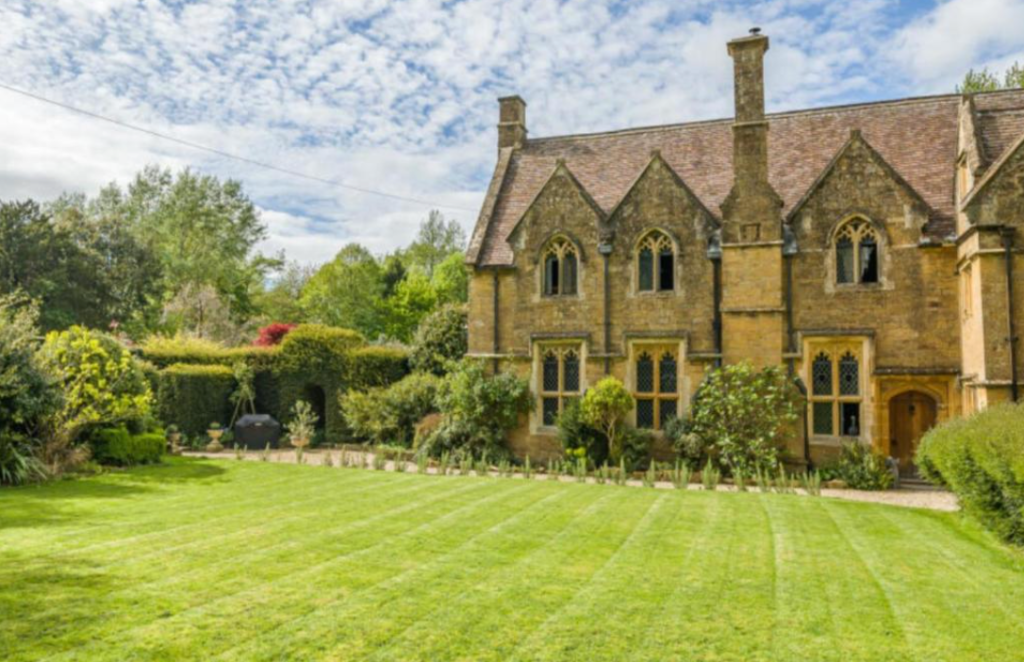
One of the most intriguing connections to King Ine's legacy can be found in the beautiful Somerset village of South Petherton, home to the historic King Ina's Palace.
Despite its name, the magnificent manor house standing today was not built during King Ine's reign. The current Grade II* listed property dates largely from the late medieval period and was extensively developed around 1485 by Sir Giles Daubeney, one of the most powerful courtiers of King Henry VII.
However, the story behind its name stretches back more than 700 years before the manor itself was constructed.
The Site of a Saxon Royal Residence
According to local tradition and historical records, South Petherton was one of the most important royal estates in Anglo-Saxon Wessex.
Known as Sudperetone, the settlement occupied a strategic position controlling routes across the River Parrett and served as a significant administrative centre within King Ine's kingdom.
Historians believe that King Ine established a royal residence or hunting lodge on this very site during his reign between AD 688 and 726. While the original Saxon buildings were constructed from timber and have long since disappeared, their memory survived through local folklore and historical accounts.
Seventeenth-century chroniclers recorded that nothing remained of the original palace by their time, yet the association with King Ine endured, giving the site its lasting identity.
The Daubeney Family and the Medieval Manor
The manor that visitors see today owes much of its grandeur to the influential Daubeney family.
By the 13th century, the manor of South Petherton had passed into Daubeney ownership, and they established their principal residence on the traditional site of the earlier Saxon royal estate.
In 1485, Sir Giles Daubeney—later Lord Chamberlain to King Henry VII—undertook major expansion works, creating much of the impressive architecture that survives today.
The result was one of Somerset's most important manor houses, combining medieval craftsmanship with a location steeped in far older history.
Why Is It Called King Ina's Palace?
Although King Ine never lived in the stone manor standing today, local tradition has always associated the site with his original royal residence.
Over the centuries, the name King Ina's Palace became attached to the property in recognition of the belief that the land once formed part of the king's homestead, hunting lodge or temporary palace.
In this sense, the name reflects not the age of the surviving building but the much older story of the land beneath it—a story that stretches back to the foundations of Wessex itself.
A Living Connection to Anglo-Saxon Somerset
Today, King Ina's Palace stands as a remarkable symbol of Somerset's layered history.
It connects visitors not only to the medieval world of the Daubeney family and the Tudor court, but also to the earlier age of King Ine, one of the most influential rulers in Anglo-Saxon England.
More than 1,300 years after his reign, the association remains strong. The palace serves as a reminder that Somerset was once at the heart of the Kingdom of Wessex and that the legacy of King Ine continues to shape the identity, heritage and stories of the West Country.